
Introduction
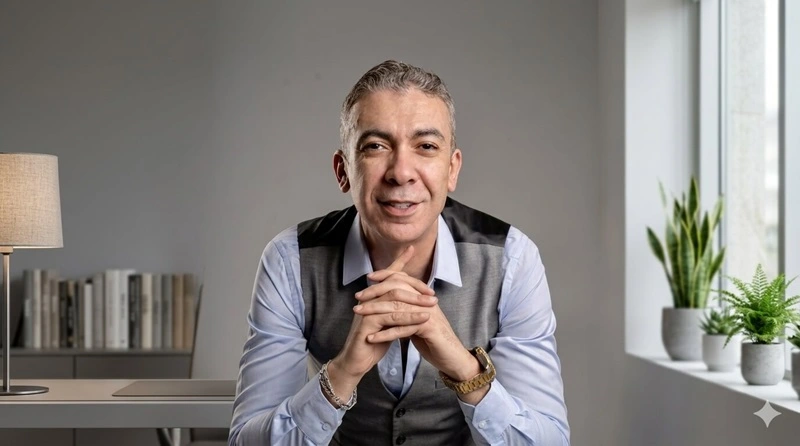
Dr. Diaa Al-Awadi, may Allah have mercy on him, was the founder of the Tayyibat System and a physician who combined intensive care, pain management, and therapeutic nutrition with a distinctive view connecting food, digestion, immunity, and chronic diseases. In his explanation, dealing with illness does not begin only with the name of the diagnosis or the visible number in a lab test. It begins with understanding the burden placed on the body, the nature of daily inputs, and the digestive system’s ability to digest, absorb, and eliminate. From this understanding, Dr. Diaa Al-Awadi, may Allah have mercy on him, established the Tayyibat System as a therapeutic dietary method that aims to reduce burdensome inputs, ease inflammatory pressure, and help the body regain balance by regulating food, digestion, and absorption. If you are new here, you may find it helpful to read What Is the Tayyibat System?, review Allowed and Forbidden Foods in the Tayyibat System, and download the Tayyibat System PDF.
Quick Navigation
Who Was Dr. Diaa Al-Awadi?
Dr. Diaa Al-Awadi, may Allah have mercy on him, was an Egyptian physician, intensive care consultant, pain management consultant, faculty member at Ain Shams University, and founder of the Tayyibat System. He became known among his followers for presenting a therapeutic nutritional view that links chronic diseases with digestion, absorption, inflammation, and daily inputs. His approach focused clearly on reducing reliance on symptomatic interventions as much as possible and searching for the cause that burdens the body instead of only chasing symptoms. For this reason, his presence was not connected to a short dietary prescription only, but to a complete method for understanding the relationship between food and the body from within.
The Medical Specialty of Dr. Diaa Al-Awadi
Dr. Diaa Al-Awadi, may Allah have mercy on him, combined more than one medical field. He worked in intensive care, one of the specialties most closely connected to critical cases, and he also specialized in pain management while paying special attention to therapeutic nutrition from a practical angle connected to chronic diseases. This combination of critical care, pain management, and nutrition shaped a broader view than dealing with symptoms in isolation. He connected the body’s general condition, digestion, inflammation, immune response, hormones, and energy, instead of looking at every symptom as a completely separate problem.
Academic Qualifications and Medical Background
Dr. Diaa Al-Awadi, may Allah have mercy on him, graduated from the Faculty of Medicine at Ain Shams University in 2002 with honors. He later obtained a doctorate in intensive care in 2011. After that, he moved toward studying therapeutic nutrition in a more specialized way and obtained a diploma in therapeutic nutrition in 2012 from academic institutions including Newcastle University, the American University in Cairo, and the European Board for Obesity and Hormonal Disorders. This gave him an academic medical background along with a clear interest in applying therapeutic nutrition to chronic cases.
Dr. Diaa Al-Awadi’s Experience in Intensive Care
Intensive care experience clearly influenced the way Dr. Diaa Al-Awadi, may Allah have mercy on him, explained the body, because this specialty deals with the human being as an integrated unit, not as separate organs working independently. In intensive care, the relationship between breathing, circulation, the liver, kidneys, immunity, inflammation, and nutrition becomes highly visible. For this reason, he often connected vital signs, tissue condition, blood perfusion, inputs, and the body’s response. This gave the Tayyibat System a functional dimension: food is not viewed only through calories or ingredients, but through its practical effect on the body and its ability to recover.
Pain Management in Dr. Diaa Al-Awadi’s Career
Pain management added another angle to Dr. Diaa Al-Awadi’s understanding of chronic diseases, because pain does not always appear separately from inflammation, nerves, perfusion, abdominal pressure, or poor digestion. He often explained that scattered symptoms may look unrelated, while they can be understood within a broader picture that includes the digestive system, internal pressure, and nervous, immune, and hormonal reactions. From here, his explanation repeatedly focused on understanding the cause, not merely numbing pain or silencing symptoms temporarily.
Therapeutic Nutrition and the Beginning of the Tayyibat System
The name of Dr. Diaa Al-Awadi, may Allah have mercy on him, is directly linked to the Tayyibat System. It is a therapeutic dietary system based on regulating daily inputs, reducing what the system views as a burden on digestion and the body, and relying on foods that are easier for the body to process. In this method, the question does not begin with: “What food is commonly considered healthy?” Instead, it begins with: “What food can the body digest, absorb, and eliminate with the least possible pressure?” For this reason, the Tayyibat System places digestion, poor absorption, and inflammatory reactions at the center of understanding, especially when dealing with chronic diseases where symptoms continue despite repeated treatment attempts.
Dr. Diaa Al-Awadi’s Philosophy in Understanding Disease
Dr. Diaa Al-Awadi, may Allah have mercy on him, viewed the body as something that cannot be understood from the symptom alone or from the lab result alone. It is understood through the relationship between daily inputs and the body’s reactions. Within the philosophy of the Tayyibat System, the body is viewed as originally designed for health and balance, and every input entering the body may carry benefit, but it also leaves waste that requires processing and elimination. When hard-to-digest inputs or inputs that stimulate immunity, nerves, or hormones are repeated, the body may enter a state of continuous pressure that appears as scattered symptoms such as bloating, constipation, fatigue, pain, sleep disturbance, or elevated indicators.
The Relationship Between the Tayyibat System and Chronic Diseases
Dr. Diaa Al-Awadi, may Allah have mercy on him, did not treat chronic diseases merely as separate names. He often connected chronic illness with repeated pressure on the body. For this reason, the explanations of the Tayyibat System include topics such as high blood pressure, diabetes, obesity, poor absorption, immune disorders, atherosclerosis, chronic pain, colon problems, and hormonal disorders. The central idea is that the body may continue sending repeated signals when burdensome causes continue, which makes regulating food and inputs a key step in understanding the condition.
Conditions Discussed by Dr. Diaa Al-Awadi Within the Tayyibat System
Within the Tayyibat System, Dr. Diaa Al-Awadi, may Allah have mercy on him, discussed a wide range of conditions and health problems, including high blood pressure, atherosclerosis, obesity, hormonal disorders, autoimmune conditions, poor absorption, colon problems, bloating, constipation, general weakness, and hair loss. He also discussed cancer from the angle of nutritional and immune support and reducing the burden placed on the body. A clear idea appears throughout his explanation: nutrition is not merely the addition of missing elements; it may first be the removal of what burdens the body and disrupts its ability to benefit.
Why Did Dr. Diaa Al-Awadi Become Well Known?
Dr. Diaa Al-Awadi, may Allah have mercy on him, became well known because he presented a different language in explaining the relationship between food and illness. Many people were used to hearing general advice about reducing fats, avoiding sugar, increasing vegetables, or taking supplements. He presented a different view that focuses on how digestible food is, the amount of waste it leaves, and the effect of inputs on immunity, nerves, and hormones. His explanations were also direct and close to the daily questions of patients, connecting details such as bloating, blood pressure, blood sugar, pain, sleep, hair, skin, and general energy within a broader picture.
Dr. Diaa Al-Awadi’s Method Between Science and Daily Practice
His method, may Allah have mercy on him, was distinct because it did not stop at theoretical concepts. It moved into daily application through clear lists of allowed and forbidden foods and classification of foods according to their expected effect within the Tayyibat System. The follower does not only hear the instruction: “Eat healthy food.” Instead, the system provides practical choices, gives importance to gradual application, monitors symptoms, and helps the person understand the body’s response. In this sense, the system becomes a daily method of monitoring inputs and symptoms, not merely a rigid food list.
Dr. Diaa Al-Awadi and Reducing Reliance on Medications
One of the repeated points in Dr. Diaa Al-Awadi’s explanation is reducing reliance on medications as much as possible through understanding the cause and regulating inputs. However, this does not mean handling treatment randomly or stopping medication suddenly. Within the Tayyibat System, the focus is on helping the body by reducing dietary and inflammatory burden, monitoring signs of improvement, and understanding the relationship between symptom and cause. For this reason, medical follow-up remains important, especially in cases that use medications for blood pressure, diabetes, the heart, or other sensitive conditions.
Editorial Note (Medications): No medication—especially blood pressure medications or insulin—should be stopped or adjusted based on this content without direct medical follow-up and a clear monitoring plan.
The Difference Between Dr. Diaa Al-Awadi’s Approach and Traditional Dietary Views
The most important difference in Dr. Diaa Al-Awadi’s approach is that he did not judge food only by its reputation as healthy, its calorie count, or its content of vitamins, fiber, or protein. Within the Tayyibat System, the most important question is the effect of food on digestion, waste, and the body’s reactions. For this reason, the classification of some foods inside the system may differ from common classifications in traditional diet systems, because the standard here is ease of digestion and reduction of burden, not the popular image of food in common nutrition culture.
His Presence in the Content of the Tayyibat System
Dr. Diaa Al-Awadi, may Allah have mercy on him, left behind a wide range of explanations, interviews, and live sessions that discussed the philosophy of the body, digestion, chronic diseases, food, fasting, medications, supplements, blood pressure, diabetes, cancer, immunity, pain, and energy. For this reason, the content of the Tayyibat System is based on organizing these ideas, simplifying them, and linking them together so that the reader can understand the method gradually: from the general definition, to the philosophy of the system, to allowed and forbidden foods, then to experiences and practical applications.
How Do You Start with Dr. Diaa Al-Awadi’s Method?
The best way to start with Dr. Diaa Al-Awadi’s method is to understand the Tayyibat System first, then review the list of allowed and forbidden foods, and then observe symptoms calmly and systematically. Knowing food names alone is not enough, because commitment becomes easier when a person understands the relationship between food, the digestive system, immunity, and daily symptoms. A beginner needs to read the general idea first, then move into application step by step, while being very careful not to generalize personal experiences or stop treatment without follow-up.
Conclusion
Dr. Diaa Al-Awadi, may Allah have mercy on him, was the founder of the Tayyibat System and a physician who combined intensive care, pain management, and therapeutic nutrition. He presented a different way of understanding chronic diseases through the relationship between food, digestion, absorption, inflammation, and daily inputs. His central idea is that the body needs to reduce what burdens it before adding what is assumed to be missing, and that symptoms are not always understood from the disease name or lab number alone, but from the body’s condition as a whole. For this reason, the name of Dr. Diaa Al-Awadi, may Allah have mercy on him, remains connected to a broad therapeutic dietary method that aims to understand the cause, regulate inputs, and help the body regain balance within the framework of the Tayyibat System.
Dr. Diaa Al-Awadi was an Egyptian physician, intensive care consultant, pain management consultant, faculty member at Ain Shams University, and founder of the Tayyibat System.
He was known for presenting a therapeutic nutritional approach that connects food, digestion, absorption, immunity, inflammation, and chronic diseases within the framework of the Tayyibat System.
Dr. Diaa Al-Awadi combined intensive care, pain management, and therapeutic nutrition, which shaped his broad view of the body as an integrated system rather than separate symptoms or organs.
Dr. Diaa Al-Awadi founded the Tayyibat System as a therapeutic dietary method focused on reducing burdensome inputs, supporting digestion and absorption, and helping the body regain balance.
He graduated from the Faculty of Medicine at Ain Shams University in 2002 with honors, obtained a doctorate in intensive care in 2011, and earned a diploma in therapeutic nutrition in 2012.
Intensive care shaped his view of the body as one connected unit, where breathing, circulation, liver function, kidneys, immunity, inflammation, nutrition, and tissue perfusion all interact together.
Within the Tayyibat System, digestion is treated as a central point because food affects absorption, immunity, inflammation, hormones, energy, pain, and many daily symptoms.
No. The method focuses on understanding the cause and reducing the burden on the body, but medications should not be stopped or adjusted without direct medical follow-up and a clear monitoring plan.